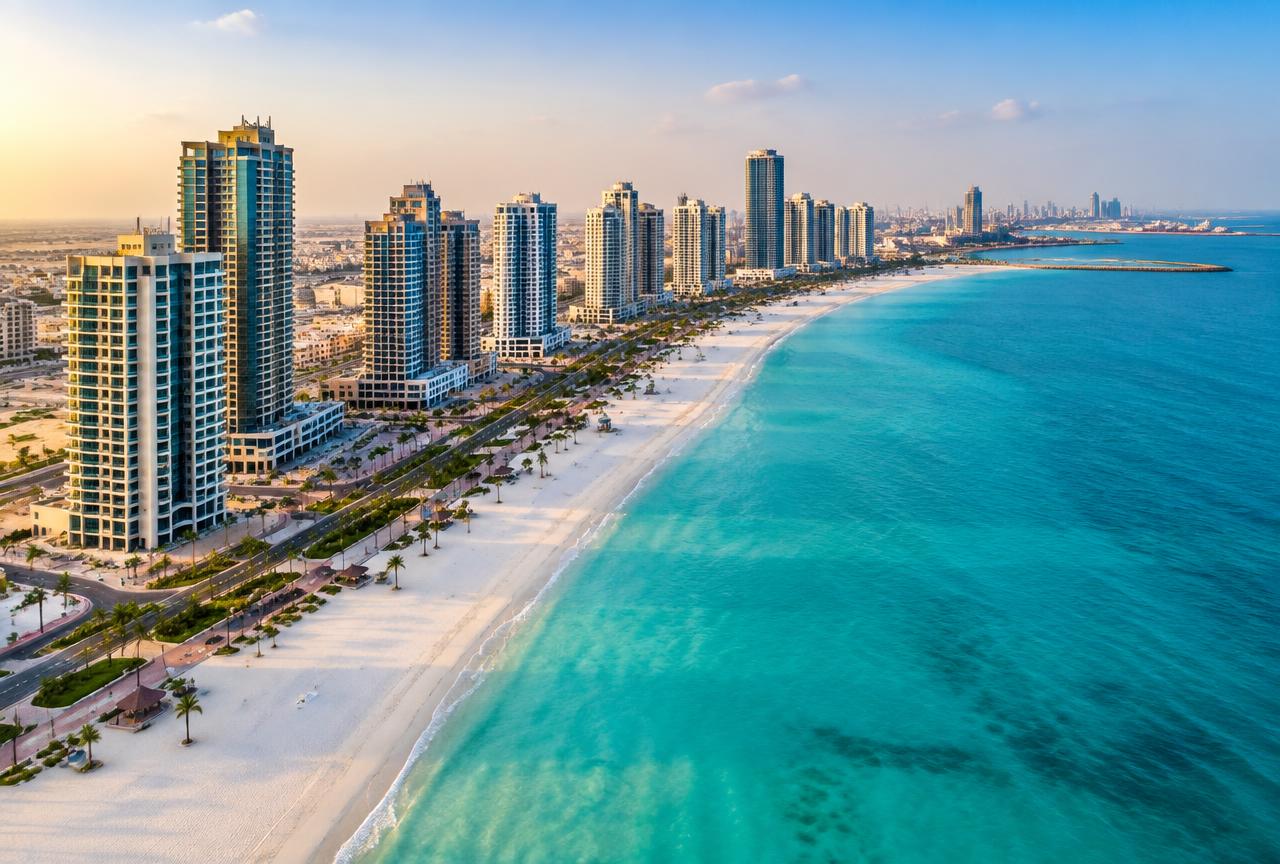
Sharjah now allows all nationalities to buy in designated districts. Here is how ownership, registration and costs actually work.
For decades Sharjah property was effectively closed to non-GCC buyers. That changed when the emirate opened designated districts to all nationalities, first through 100-year usufruct rights and then through full freehold title in selected masterplans.
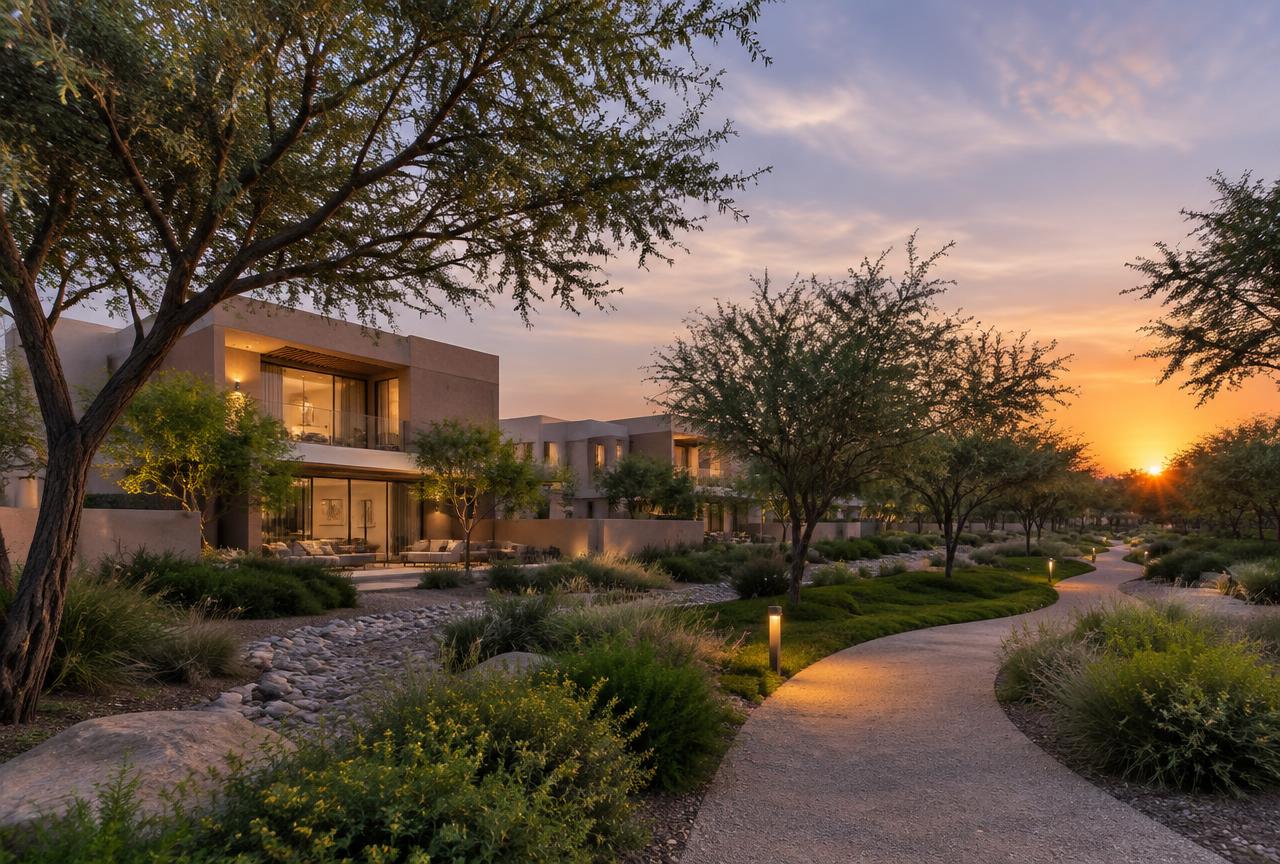
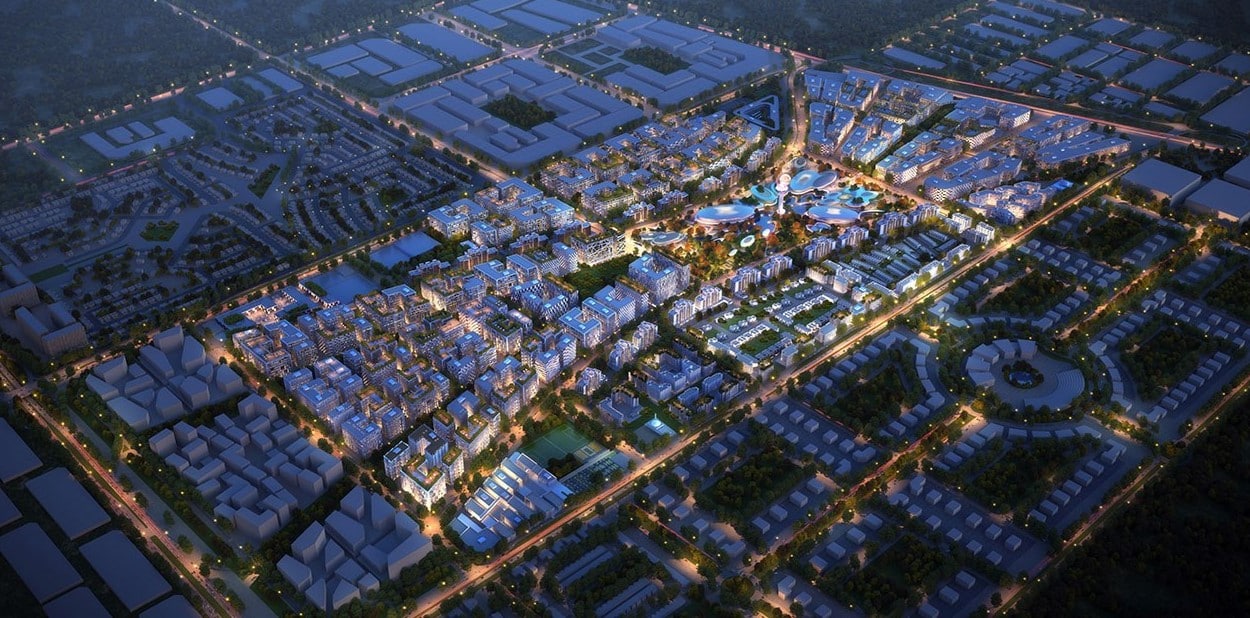
The result has been one of the most active periods in the emirate's history, with communities such as Masaar, Al Mamsha, Aljada and Sharjah Sustainable City drawing buyers who want space and community amenity at prices well below Dubai.
Two kinds of ownership
Sharjah offers two structures, and the difference matters when you come to resell or mortgage the property.
- Freehold: full, permanent ownership of the unit and its share of the land, registered in your name with the Sharjah Real Estate Registration Department.
- Usufruct (100 years): long-lease ownership, renewable, transferable and mortgageable, used in several older districts.
What it costs
Transfer and registration fees in Sharjah are typically 2% of the purchase price plus administrative charges — lower than the 4% charged in Dubai. Off-plan purchases are protected by escrow: your instalments are paid into a regulated account and released to the developer against construction milestones.
Agency commission is usually 2%, and there is no annual property tax in the UAE. Ongoing costs are limited to service charges, which vary from around AED 8 per sq. ft. in apartment buildings to considerably less in sustainable communities.
What to expect on yield
Sharjah apartments commonly return 6-8% gross, with well-located one and two-bedroom stock at the top of that range. Villas yield less on paper but have shown stronger capital appreciation since freehold opened.
If you are buying to let, prioritise districts with genuine tenant demand — proximity to University City, the Dubai border and the main road corridors — over headline discounts.